Advantages Of Hybrid Cars
October 6, 2026
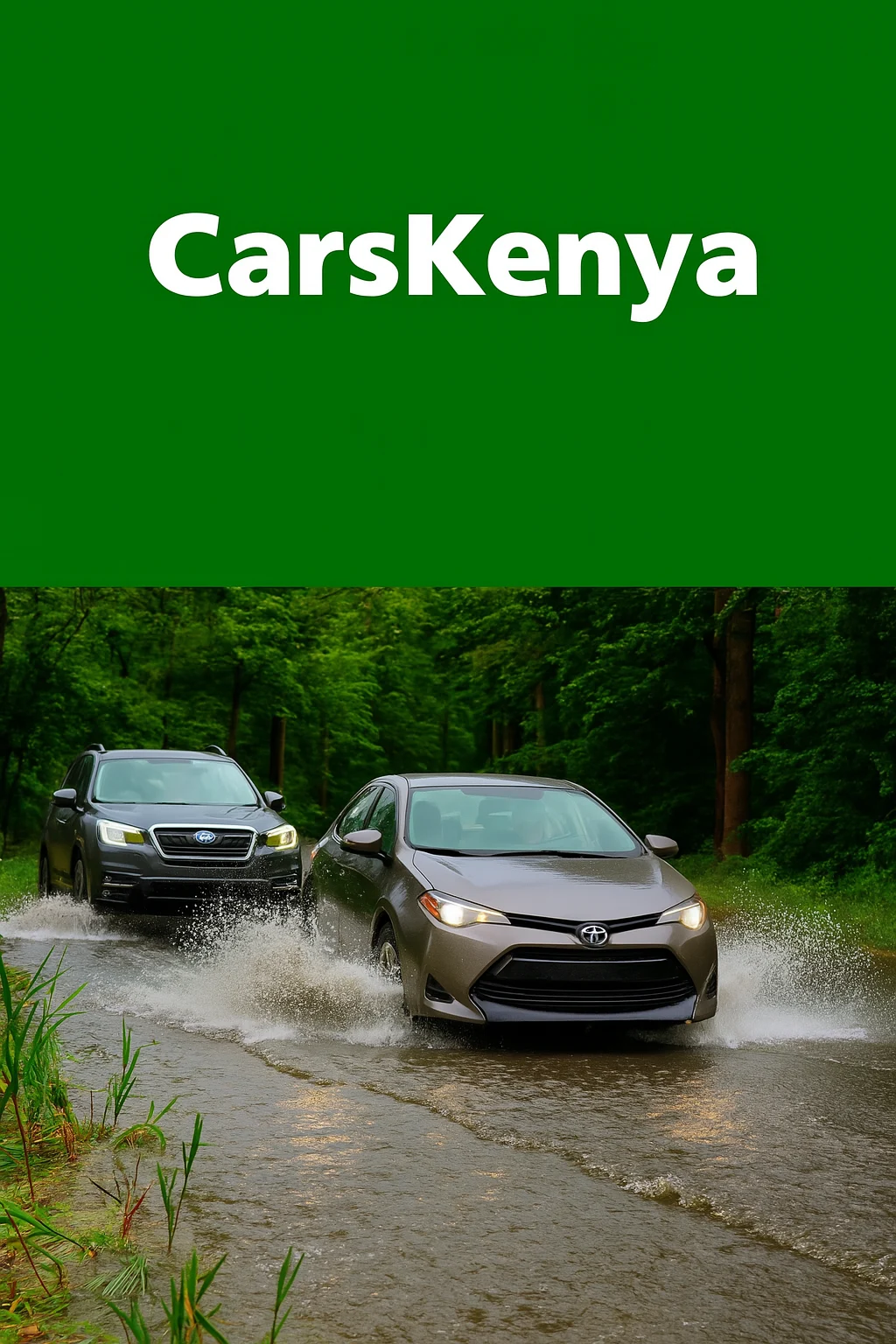
When buying a used car—whether locally or through import—there’s one major hidden danger every buyer should avoid: flood damage. With typhoons in Japan and flooding in parts of Asia and the US, thousands of cars get waterlogged, cleaned up, and sold to unsuspecting buyers.
Flood-damaged cars may look perfect on the outside, but beneath the surface, they can be plagued with long-term electrical failures, mold, and rust. This guide will teach you how to spot flood-damaged vehicles before you buy, especially if you’re importing from Japan, the UK, or the UAE.
Buying a flood-damaged vehicle can be a costly mistake for several reasons:
Flood cars are sometimes auctioned off cheaply, making them appealing to unscrupulous exporters or dishonest sellers. That’s why it’s vital to inspect thoroughly or work with trusted import agents like CarsKenya.
Even the best cleanup job can’t hide all flood signs. Here are the most common indicators:
A damp, moldy, or chemical odor is a red flag. Flood-Damaged Car often have lingering smells—even after deep cleaning.
Check:
Uneven color changes usually indicate water exposure.
Look for rust on:
Rust in these places suggests standing water inside the car.
Feel under the dashboard, inside the fuse box, around wires, or inside the boot. If you spot dried mud or sand—be cautious.
Condensation trapped inside lights that doesn’t clear up indicates water intrusion.
Test windows, mirrors, central locking, infotainment, and dashboard lights. Water can cause erratic behavior.
Brand new carpets in an older car may be hiding something.
Here’s a quick inspection checklist:
| Area | What to Look For |
|---|---|
| Carpet & Floor Mats | Uneven color, stains, moisture |
| Seat Belts | Water marks when pulled out fully |
| Trunk/Boot Area | Rust, musty smell, waterlines |
| Underside | Rust on frame, axle, suspension |
| Engine Bay | Mud or silt near battery, ECU, or filters |
| Fuse Box | Corrosion or white powder on fuses |
| Headlights/Tail Lights | Water stains or fogging |
| Air Vents | Musty odor or mildew smell |
| Dashboard & Gauges | Watermarks or erratic electronics |
Take your time. Bring a flashlight and a mechanic if needed.
Beyond physical checks, paperwork can reveal flood risks.
If importing from Japan, request the original auction sheet and look at the grading and notes:
For UK or UAE imports, request a history report via services like:
These reports can list title issues, flood declarations, or insurance claims.
Request pictures of the car from before and after shipping. Look for inconsistencies in trims, panels, or condition.
Before buying online or bidding via auction, request:
Reputable exporters will gladly provide this. Avoid sellers who are vague or dodge your questions.
Some exporters or listings may hide flood damage, but you can still spot clues:
Blurry or heavily edited images are often used to mask stains.
A seller avoiding these views might be hiding rust or water residue.
Always ask for real photos of the exact car you’re buying—especially for interior, carpets, fuse box, and engine.
When importing directly, it’s easy to miss flood-damaged units—especially if you don’t understand Japanese auction sheets or vehicle grading systems.
Call or WhatsApp: +254 713 147 136
Visit: Bishop Magua Building, Ngong Road, Nairobi
A Flood-Damaged Car may look like a good deal—but it can lead to years of costly repairs and constant frustration.
By knowing what to look for, inspecting documents carefully, and working with a reputable import partner like CarsKenya, you can protect yourself and your investment.
When in doubt—walk away or get a professional opinion.

Experience a seamless car import service tailored to your needs with CarsKenya – the Home of Car Import Experts.

WhatsApp us