Advantages Of Hybrid Cars
October 6, 2026
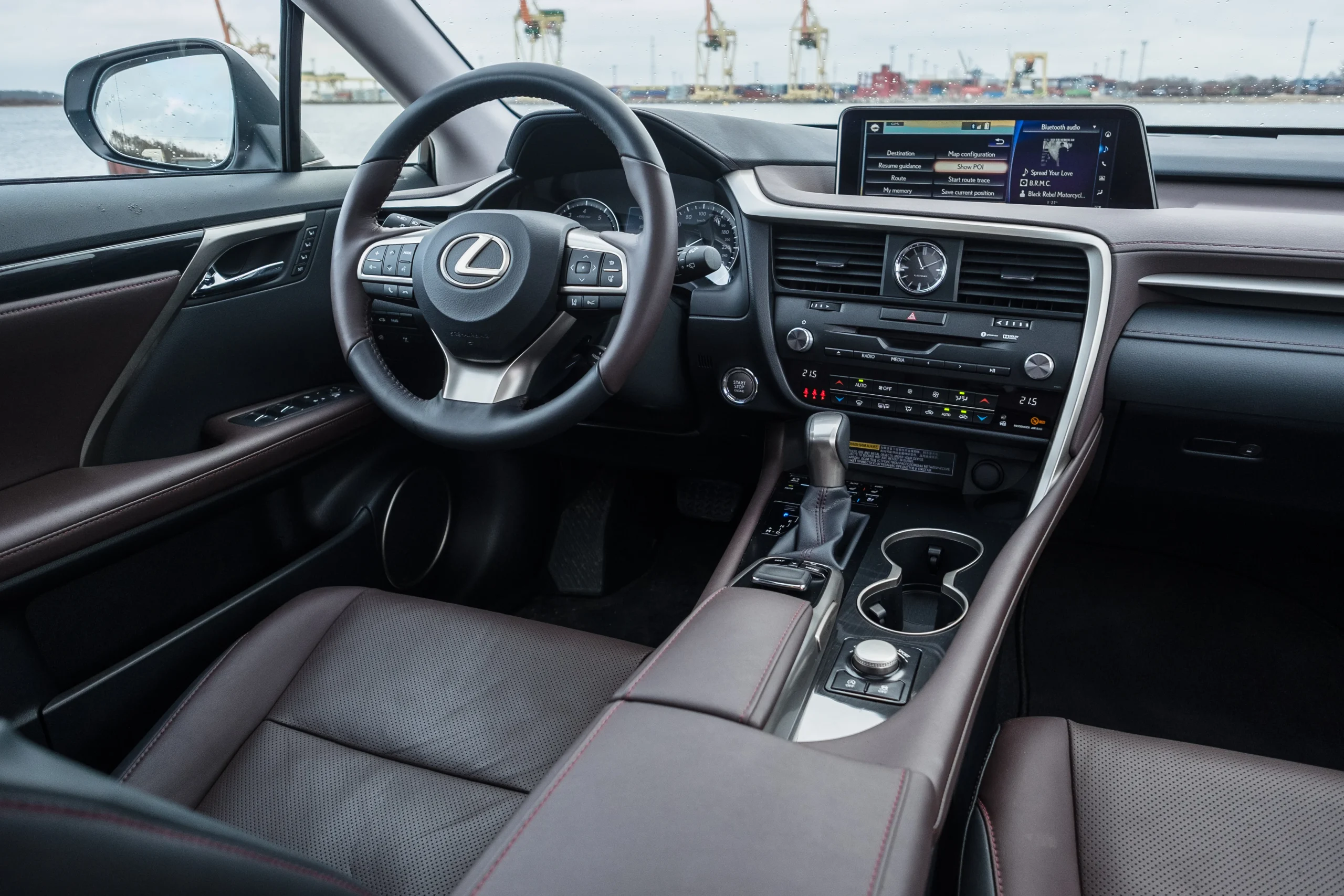
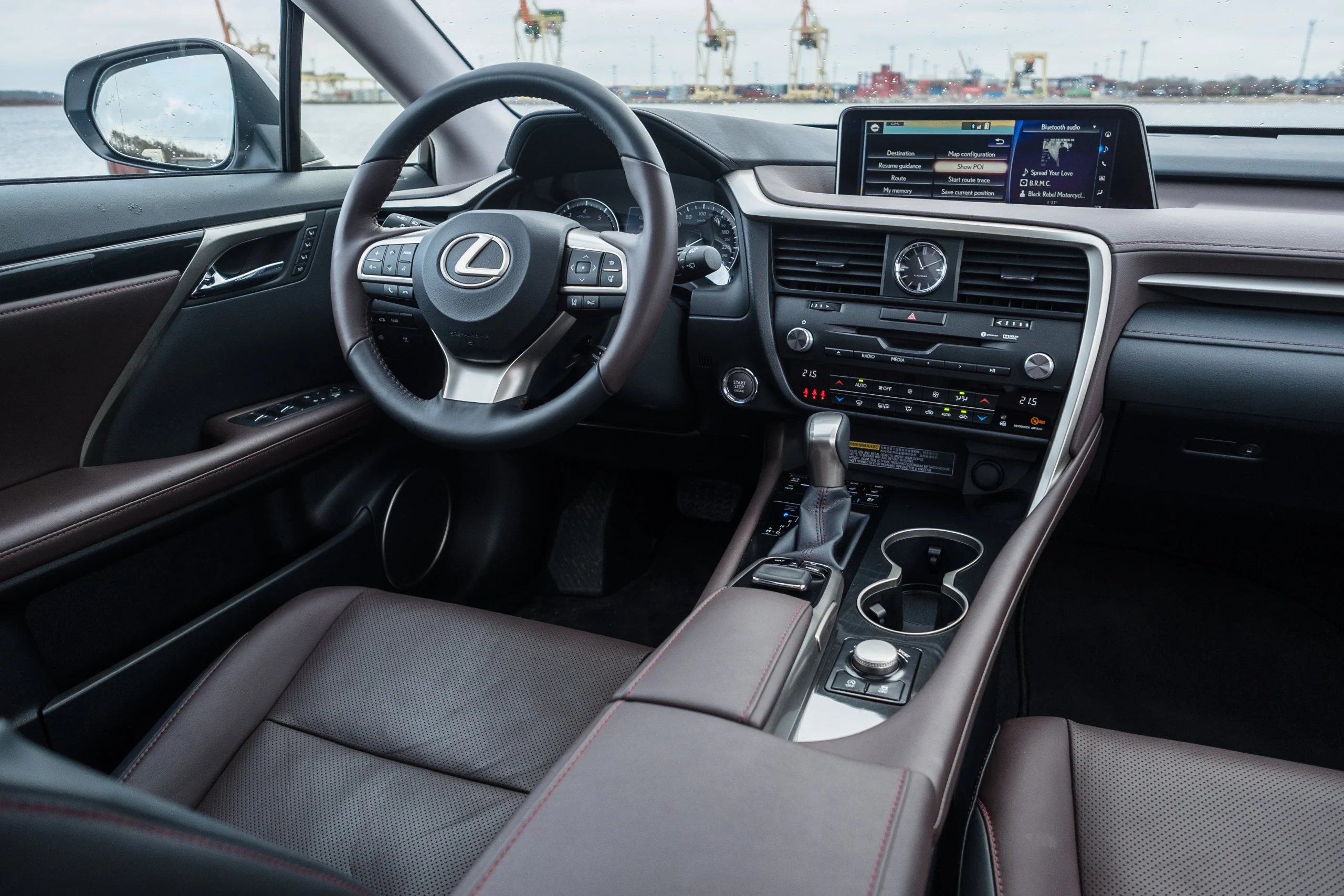
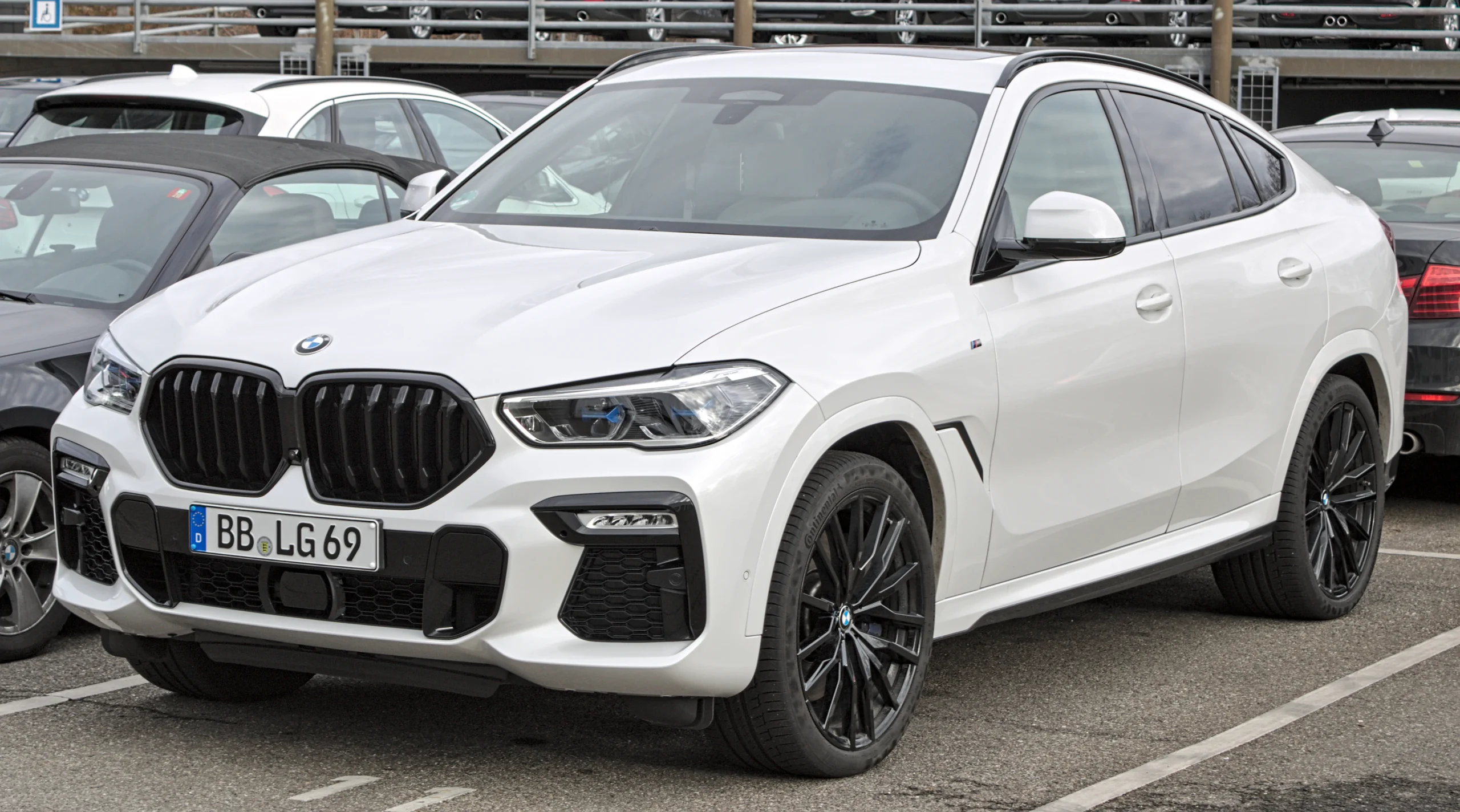
The Kenyan premium car market is a vibrant and ever-growing landscape, fueled by an expanding middle class and a deep-seated appreciation for quality, performance, and prestige.
When we talk about “premium,” we’re generally referring to esteemed German brands like Mercedes-Benz, BMW, and Audi, along with British stalwarts like Range Rover and Jaguar, and Japanese luxury lines such as Lexus.
These cars represent the pinnacle of automotive engineering and comfort, but acquiring one in Kenya has always been a tale of two options.
On one hand, you have the convenience of local showrooms and car yards, where you can see, touch, and test drive a vehicle before committing.
On the other, there’s the alluring promise of significant savings and a wider selection offered by international markets, primarily Japan and the United Kingdom.
The fundamental question for any serious buyer is which route offers better value.
Is the convenience of a local purchase worth the often-inflated price tag, or does the effort to import a car to Kenya yield rewards that go beyond just a lower cost?

Walking into a sleek, air-conditioned showroom in Nairobi and seeing your dream car gleaming under the lights is a powerful experience.
Buying locally offers an undeniable sense of security and immediacy.
You can physically inspect the vehicle, negotiate face-to-face, and potentially drive away in your new car within days.
However, this convenience comes at a premium—a very significant one.
Local dealers have already shouldered the entire burden of the importation process.
They’ve paid for the car’s purchase price abroad, the shipping fees, the insurance, and, most importantly, the hefty cocktail of taxes levied by the Kenya Revenue Authority (KRA).
On top of these recouped costs, dealers add their own markup to cover overheads like rent, staff salaries, marketing, and, of course, their profit margin.
This multi-layered pricing structure is why a premium car that might seem reasonably priced overseas suddenly carries a staggering price tag in a local yard.
You are essentially paying for the car, the entire importation service, and the dealer’s business costs rolled into one final figure.
Deciding to import a car to Kenya directly can feel like unlocking a secret level in the car-buying game.
It opens up a global marketplace, but it also introduces a new set of rules and challenges you must master.
The journey begins with identifying a reputable source country, typically Japan for its vast selection of well-maintained used cars or the UK for high-spec European models.
Once you find a vehicle, it must undergo a mandatory pre-shipment inspection by an approved body like JEVIC or QISJ to ensure it meets Kenyan standards, including the critical “8-year rule.” The primary costs at this stage are the Free on Board (FOB) price of the car and the shipping and insurance fees to get it to the Port of Mombasa.
Once it lands, the real financial gauntlet begins.
You will be liable for Import Duty (25% of the car’s customs value), Excise Duty (which can be 25% or 35% depending on engine size), Value Added Tax (16%), the Import Declaration Fee (IDF), and the Railway Development Levy (RDL).
Navigating this complex tax calculation and the clearing process requires precision and patience, as any misstep can lead to costly delays and penalties.
So, let’s put it all together.
Where do you actually save money?
Imagine you want to purchase a five-year-old Mercedes-Benz C200.
A local dealer might have one listed for KES 4.5 million.
This price is all-inclusive; you pay, and you drive.
Now, consider the import route.
You might find a similar model in Japan for an FOB price of KES 2.2 million.
Add approximately KES 300,000 for shipping and insurance.
When it arrives in Mombasa, the calculated taxes (based on the car’s Current Retail Selling Price, not what you paid) could be around KES 1.5 million.
Add another KES 100,000 for port charges and agent fees.
Your total landed cost would be roughly KES 4.1 million.
In this scenario, you’ve saved KES 400,000—a substantial amount that could cover your first year’s insurance and fuel.
This is a simplified example, but it illustrates the core principle: when you import a car to Kenya yourself, you cut out the dealer’s profit margin and overhead costs, which is where the primary savings are found.
The trade-off is that you take on the logistical complexity and financial risk of the process yourself.
While the direct cost comparison often favors importation, it’s crucial to look beyond the final tax figure to avoid unpleasant surprises.
A complete car buying guide for Kenya must highlight the “hidden” or ancillary costs that can accumulate after your vehicle is cleared from the port.
Once you have your car, you’ll immediately need to pay for local registration and the new number plates, which is a necessary expense before you can legally drive on Kenyan roads.
Furthermore, a car that has just endured a long sea journey will require a comprehensive service—think oil change, fluid checks, and a general inspection—to ensure it’s in optimal condition.
You should also budget for potential minor repairs; a few scratches from shipping or a weak battery are common issues.
Finally, the fees for your clearing agent can vary, and it’s wise to agree on all charges upfront.
Factoring in these post-importation expenses, which could easily add KES 100,000 to KES 200,000 to your total outlay, gives you a more realistic picture of the final cost and ensures your perceived savings don’t get eroded by unexpected bills.
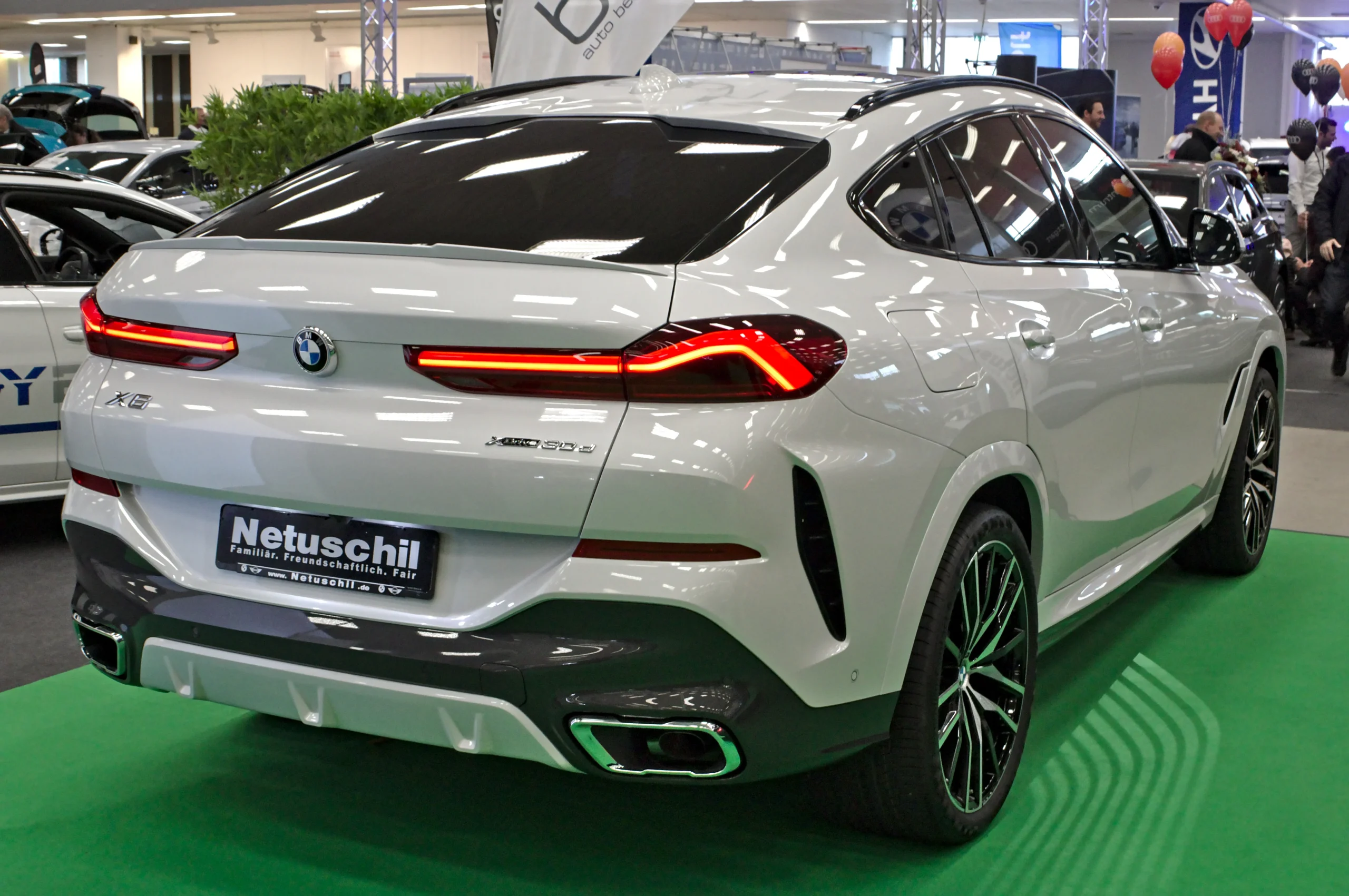
The decision to import a car to Kenya isn’t just a financial one; it’s also about choice and quality.
The single greatest advantage beyond potential savings is the sheer variety at your fingertips.
Local dealerships have limited inventory, often stocking only the most popular models and colours.
When you import, the global market is your showroom.
You can find the exact trim level, engine size, optional extras, and even rare colours that you desire.
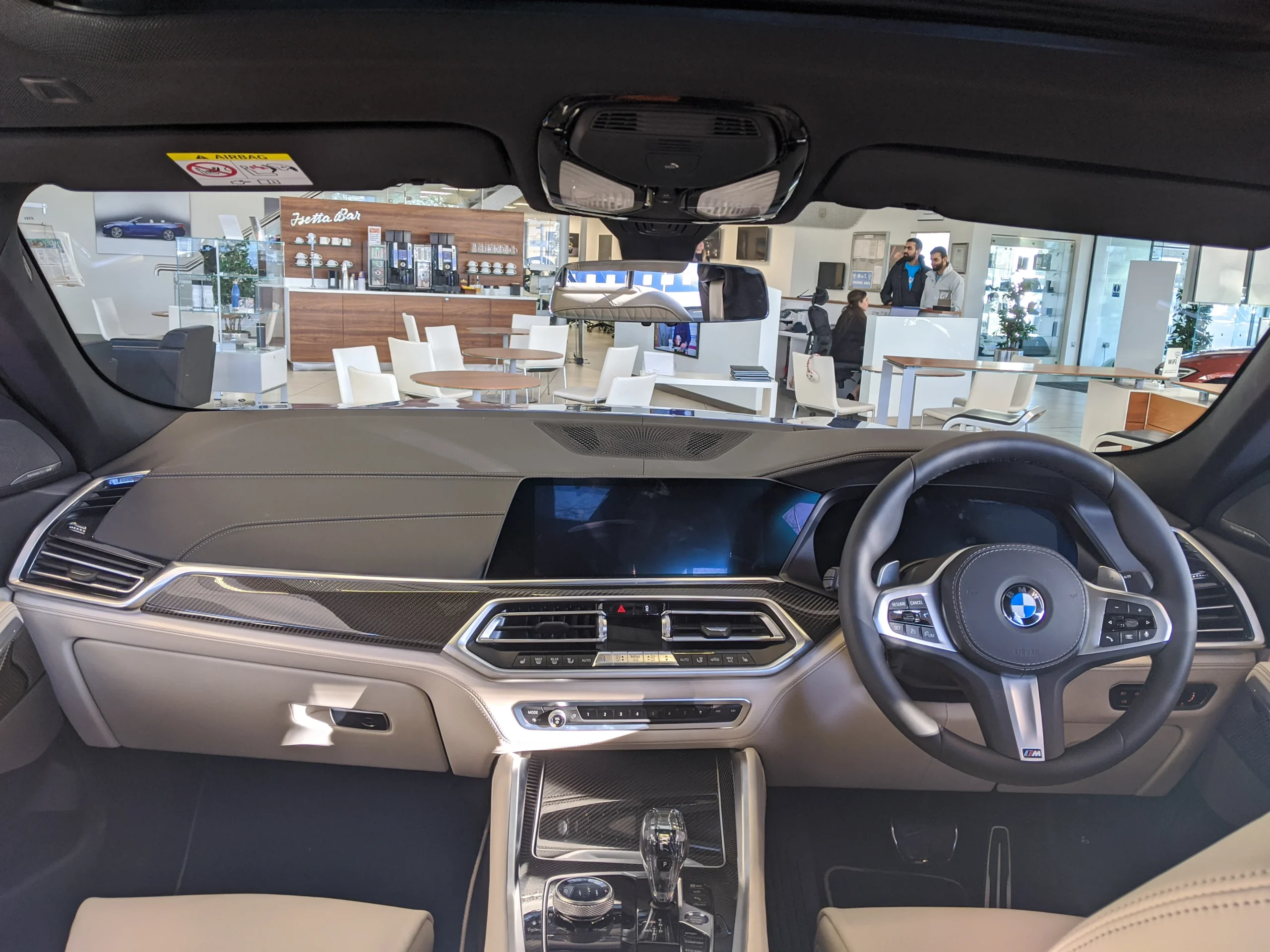
Do you want a BMW 5 Series with a panoramic sunroof and a Harman Kardon sound system?
You are far more likely to find that specific configuration in the UK or Japanese markets.
Moreover, cars from these markets, particularly Japan, are renowned for being meticulously maintained and often have verifiably lower mileage compared to locally used equivalents.
You can get a vehicle with a full-service history, giving you greater peace of mind about its mechanical condition.
This access to a wider pool of higher-quality, feature-rich vehicles is a powerful motivator for buyers who refuse to compromise on their vision for the perfect premium car.
After weighing the options, the benefits of importing are clear, but the process can seem intimidating.
This is where a trusted partner becomes invaluable.
Think of it like building a custom home; you have the vision, but you need an expert architect and builder to handle the permits, materials, and construction.
Cars Kenya acts as your expert partner in the car importation process.
We eliminate the guesswork and handle every complex step on your behalf.
From sourcing the perfect vehicle that matches your exact specifications in Japan or the UK to ensuring it passes all pre-shipment inspections, we manage the logistics with precision.
We handle the complicated KRA tax calculations and the entire clearing process at the port, ensuring a smooth and transparent transaction.
You get all the benefits of importing—the cost savings and the incredible choice—without any of the headaches or risks.
Ready to find your dream premium car without the hassle? Contact Cars Kenya today and let our experts guide you through a seamless and affordable importation experience.
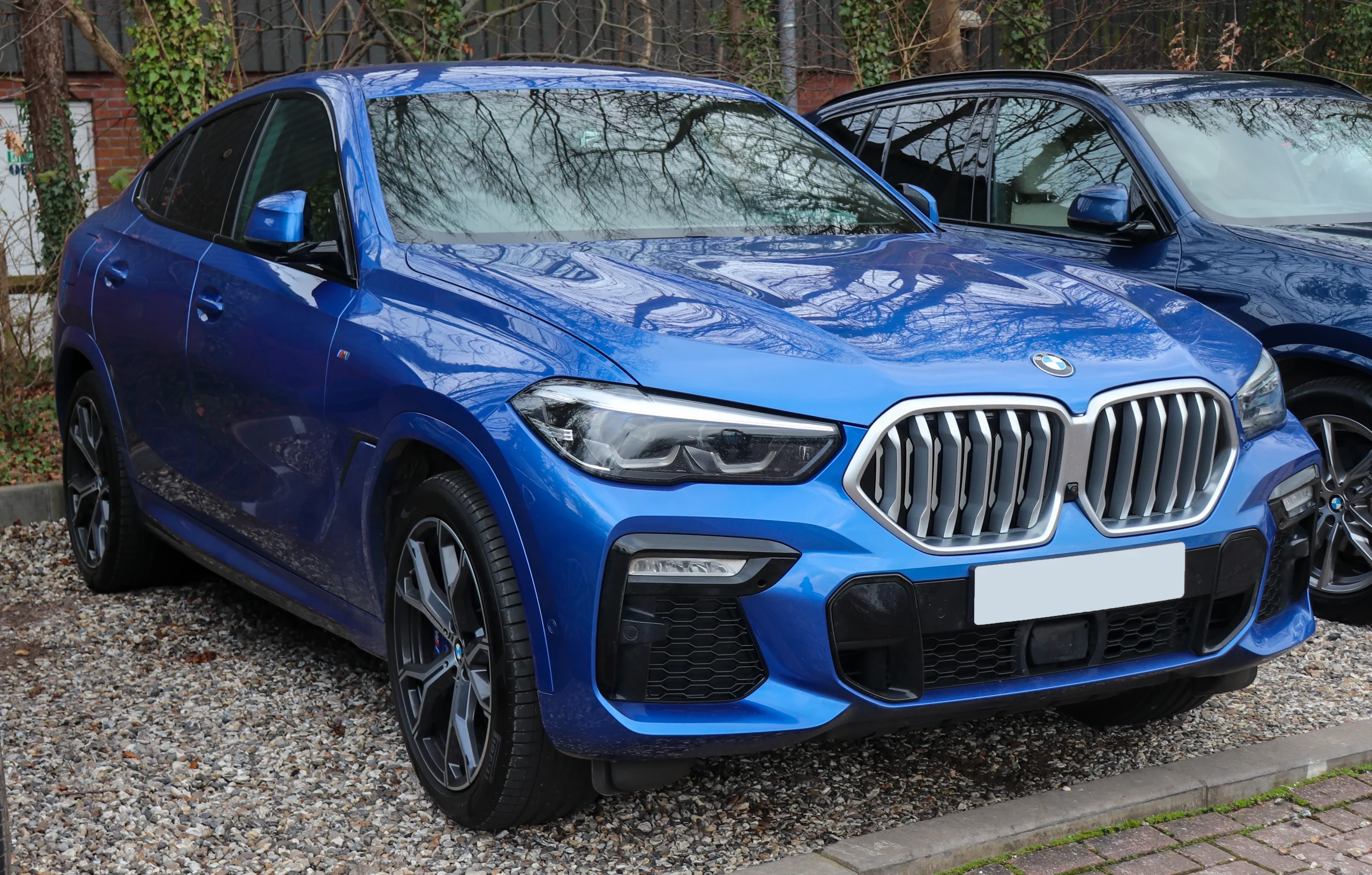
Ultimately, the choice between buying a premium car locally and importing one boils down to a balance of priorities: cost versus convenience, and selection versus security.
Buying locally offers a straightforward, risk-free path, but you pay a significant price for that simplicity and are limited by the dealer’s inventory.
On the other hand, choosing to import a car to Kenya yourself unlocks substantial savings and a world of choice, allowing you to get more car for your money.
However, this path is paved with complex regulations, tax calculations, and logistical hurdles that can be daunting for a first-timer.
The optimal solution is to find a middle ground—to leverage the benefits of importation while mitigating the risks by working with a professional.
By partnering with a reputable import service, you can confidently source a high-quality, high-spec vehicle from abroad at a price significantly lower than local options, all while an expert team handles the heavy lifting.
Don’t just dream about your perfect premium car. Let Cars Kenya make it a reality by providing a transparent, efficient, and cost-effective import service tailored to your needs.