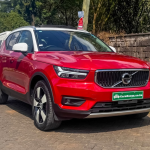
Your next car could start with a financing assessment
You have identified the car you want. Perhaps it is a Toyota RAV4 for the family, a Subaru Forester for weekend adventures or a Lexus that reflects your next chapter.
Then comes the difficult question: must you pay the full import cost before the car reaches Kenya?
For qualifying buyers, a coordinated import financing arrangement can create another route to ownership. The starting point is understanding your budget, what the lender can finance and how the overseas purchase connects with local asset finance.
Here is what to know before committing to a vehicle.
Why financing an imported car can feel complicated
Buying a car from Japan involves more than paying the advertised purchase price.
Your budget may need to cover sourcing, inspection, shipping, insurance, customs duties, clearance, registration and delivery. These costs arise at different stages.
Conventional car import financing Kenya may depend on local registration, creating a funding gap between purchasing the vehicle overseas and completing the bank’s financing requirements in Kenya. This timing challenge is part of the issue addressed by the CarsKenya, Absa Bank Kenya and Shekel Mobility arrangement, as reported by The Standard.
For buyers, that makes one question especially important: who pays each cost, and when?
How CarsKenya’s import financing partnership works
The CarsKenya financing partnership brings vehicle sourcing and import coordination together with Shekel Mobility’s technology support and Absa’s credit assessment and asset financing.
Financing approval must be obtained before the import process begins. Absa completes asset financing after registration and satisfaction of its disbursement conditions. Eligible Absa premium clients may qualify for financing of up to 100% of the qualifying vehicle value, depending on assessment and product conditions. Cars Kenya
A practical starting sequence is:
- Share your preferred vehicle and budget with CarsKenya.
- Request a preliminary quotation and financing guidance.
- Complete the lender’s assessment and confirm the approved terms.
- Confirm the specific vehicle, full quotation and payment responsibilities.
- Proceed through the agreed import, registration and financing stages.
You can also review the CarsKenya import process to understand how sourcing, inspection, shipping and clearance connect.
Does 100% financing mean you pay nothing upfront?
Not necessarily.
Financing of up to 100% of a qualifying vehicle value does not automatically mean every import expense is included.
Before proceeding, request written answers to these questions:
- What value will the bank use to calculate financing?
- Are shipping, taxes, clearance and registration covered?
- Are insurance and facility charges payable separately?
- Is a customer contribution required?
- Who funds the vehicle before bank disbursement?
- What happens if the final valuation differs from the quotation?
These answers turn an attractive headline into a usable purchase plan.
Compare the full borrowing cost
A manageable monthly instalment matters. So does the total amount you repay.
Ask for the interest rate, how it is calculated, the repayment period, all fees and the total repayment amount. Check whether the rate can change and whether early settlement attracts a charge.
For illustration, if an approved facility covers 90% of a KSh 4 million qualifying value, the uncovered portion is KSh 400,000, before any separately payable costs. This is a calculation example, not a CarsKenya or Absa offer.
A longer repayment period can reduce the monthly instalment while increasing total interest. Choose a repayment commitment that leaves room for insurance, servicing and everyday expenses.
Start with your budget before choosing your specification
It is easy to fall in love with a higher trim, panoramic roof or larger engine. Establishing your car import financing Kenya position first helps you choose within a realistic budget.
Tell CarsKenya what matters most: passenger space, ground clearance, safety equipment, running costs or comfort. Then compare suitable vehicles against the complete cost of ownership.
Frequently asked questions
Can I finance a used car imported from Japan?
Potentially, subject to lender approval and vehicle eligibility. Absa’s public car-loan page lists model and age conditions, so confirm the terms applicable to your proposed import. See Absa’s car-loan information. absabank.co.ke
Should I purchase the car before financing approval?
For this partnership, obtain approval and confirm the transaction conditions before the import process starts.
How much can I qualify for?
Your approved amount depends on the lender’s assessment and the qualifying vehicle.
Find out what your next car could look like
Your next step is a clear quotation and an informed financing conversation.
Request an import financing assessment from CarsKenya. Share your preferred make, model and budget so the team can help you explore suitable options.
Call or WhatsApp: 0795 222 111