Advantages Of Hybrid Cars
October 6, 2026
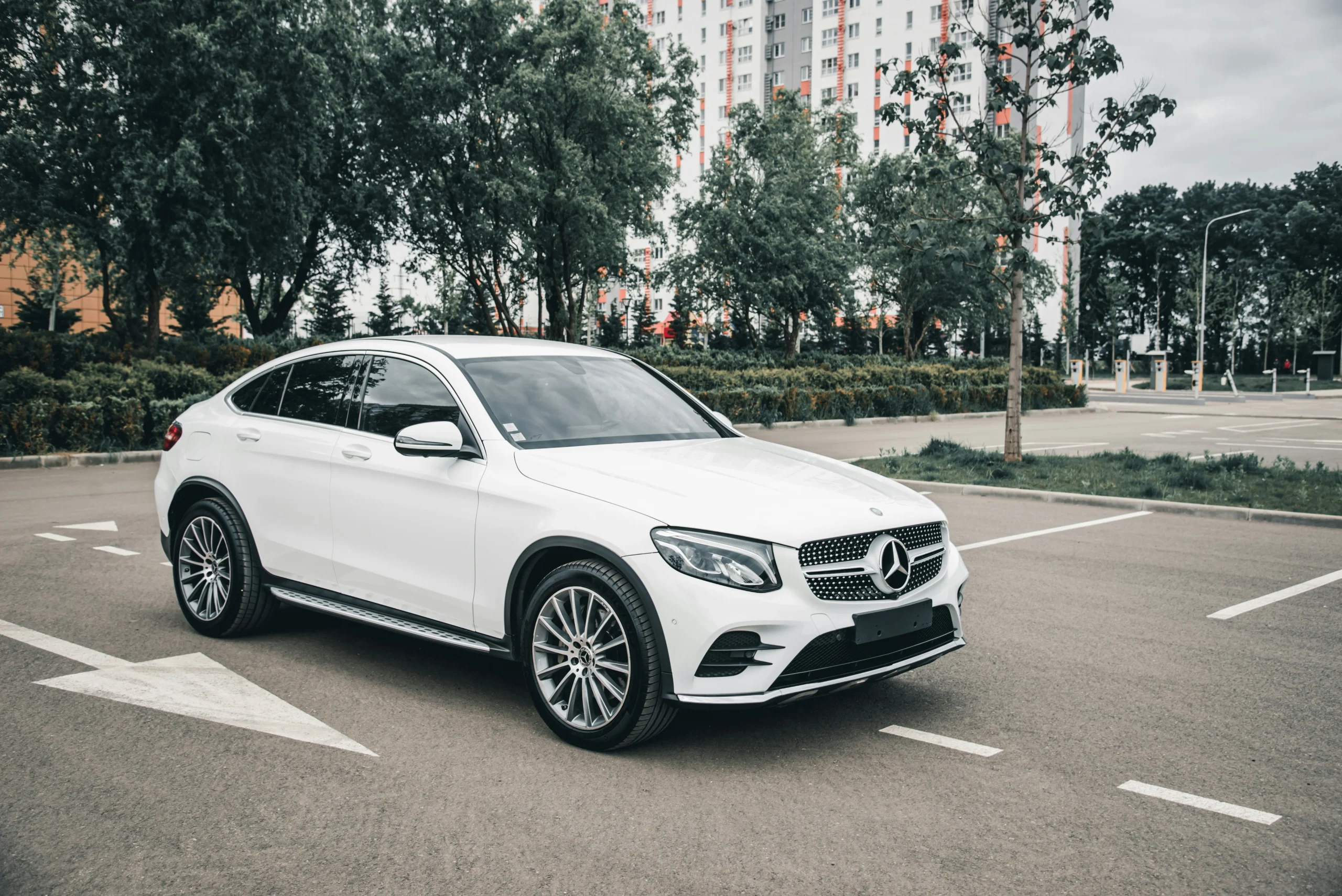
The 2024 Mercedes-Benz GLC 250 is a luxurious and powerful SUV that blends cutting-edge technology with refined engineering. A crucial aspect of any vehicle, especially a luxury SUV, is its fuel consumption. For potential buyers and current owners, understanding the fuel efficiency of the GLC 250 is vital for budgeting fuel expenses and making informed decisions about its overall sustainability and performance.
In this article, we’ll dive into the fuel consumption of the Mercedes GLC 250, highlighting key details, factors that affect fuel economy, and tips for optimizing fuel usage. Whether you’re considering buying the GLC 250 or you’re an owner looking for ways to improve efficiency, this guide will cover all you need to know.
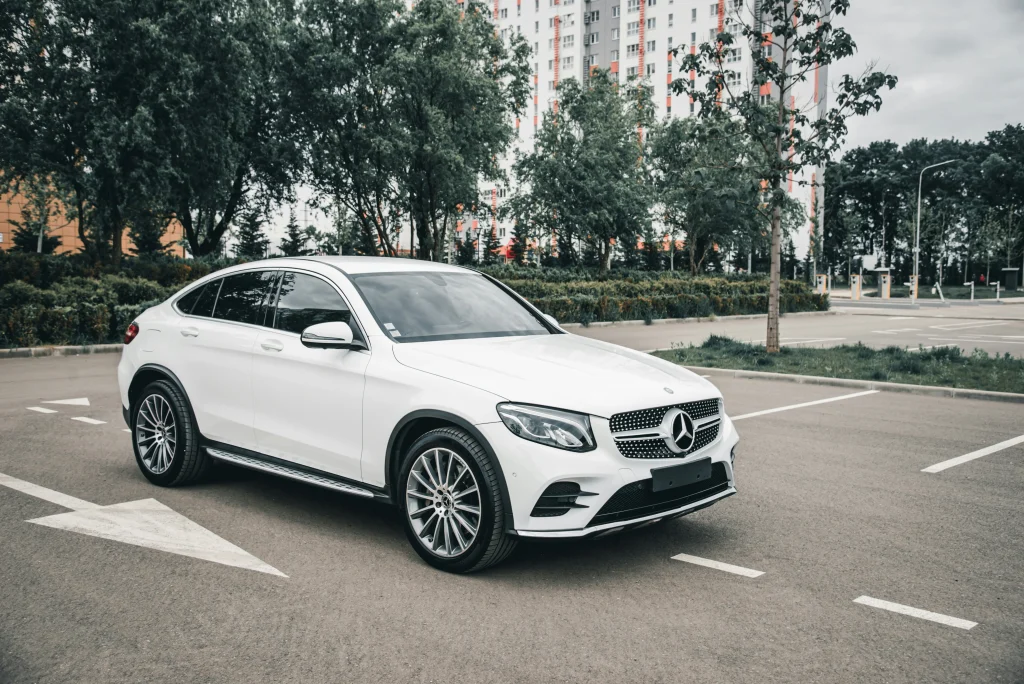
The Mercedes-Benz GLC 250 is part of the GLC series, which is known for its dynamic performance, premium features, and a balance between sportiness and comfort. Powered by a 2.0-liter turbocharged engine, the GLC 250 delivers an impressive combination of power, handling, and efficiency.
Fuel consumption is often a crucial deciding factor for buyers, especially in countries like Kenya, where fuel prices fluctuate. Mercedes-Benz provides fuel consumption estimates for their models, but real-world driving conditions can lead to variations in actual fuel usage.
The estimated fuel consumption for the Mercedes-Benz GLC 250 varies based on the drivetrain configuration and driving conditions:
With the average combined fuel consumption of 8.0 to 9.0 liters per 100 km, the GLC 250 has a theoretical range of around 730 to 825 km on a full tank of fuel, depending on the driving conditions.
While the official fuel consumption figures provide an excellent baseline, there are numerous real-world factors that can influence the fuel economy of the Mercedes-Benz GLC 250. Let’s look at some of the most significant ones.
Driving habits have a huge impact on fuel consumption. Aggressive driving, such as rapid acceleration, hard braking, and high-speed driving, can drastically reduce fuel efficiency. On the other hand, smooth acceleration, anticipating traffic flow, and maintaining a steady speed can improve fuel economy.
The air conditioning system can have a significant impact on fuel efficiency. In hot conditions, running the air conditioning will put extra strain on the engine, leading to increased fuel consumption. It’s best to use air conditioning sparingly, especially in city traffic, to help improve fuel economy.
Under-inflated tires create more rolling resistance, which makes the engine work harder, thereby increasing fuel consumption. Keeping your tires properly inflated can improve fuel efficiency by up to 3%.
Routine maintenance is essential for keeping the 2024 Mercedes-Benz GLC 250 running efficiently. Regular oil changes, clean air filters, and timely engine diagnostics ensure that the engine operates at peak efficiency, contributing to better fuel economy.
The weight of the vehicle can also affect fuel efficiency. Excess cargo, heavy items on the roof, or towing will require the engine to exert more power, leading to higher fuel consumption. It’s always a good idea to minimize unnecessary weight to improve fuel efficiency.
The 2024 Mercedes-Benz GLC 250 competes with several other premium SUVs in its class, such as the BMW X3, Audi Q5, and Volvo XC60. So, how does its fuel consumption stack up against the competition?
In comparison, the 2024 Mercedes-Benz GLC 250 sits comfortably in the middle of the pack in terms of fuel efficiency, with the GLC 250’s real-world consumption being competitive among luxury SUVs in this category.
If you want to maximize fuel efficiency and reduce the frequency of visits to the gas station, here are some practical tips for improving the fuel economy of your 2024 Mercedes-Benz GLC 250:
The 2024 Mercedes-Benz GLC 250 is a luxurious and versatile SUV with a commendable balance of power and fuel efficiency. While its fuel consumption might be slightly higher than smaller sedans, it remains competitive within the luxury SUV market, especially considering its performance and premium features.
On average, the GLC 250 consumes around 8.0 to 9.0 liters per 100 km in combined driving conditions, with real-world factors like driving style and terrain affecting this figure. By following tips for fuel efficiency and maintaining your vehicle, you can make the most out of every drop of fuel, ensuring a smooth and economical driving experience.

