The Important Details That Truly Matter for Smart Imports from Japan
If you want to secure the best cars through Japan auction systems, you must know how to negotiating prices car prices in Japan. Many buyers think Japan auctions are simple; choose a car, place a bid, win, and ship.
In reality, successful imports from Japan require strategy, calculation, discipline, and deep market understanding.If you ignore the details, you overpay.
Let’s focus on what truly matters.
1. Understand the Real Market Value — Not the Asking Price
Every vehicle listed at a Japan auction has:
- A starting bid
- A reserve price
- An auction grade
- Mileage
- Condition notes
But none of these tell you the true market value. To negotiate properly, you must analyze:
- Final sale prices of the same model over the past few weeks
- Differences between grades (4 vs 4.5 vs 3.5)
- Mileage brackets (40,000 km vs 70,000 km vs 100,000 km)
- Demand trends for that model
For example:
A Toyota Harrier with 45,000 km and grade 4.5 may sell significantly higher than one with 70,000 km and grade 4 — even if both look similar in photos.
Professional importers study past auction data daily. They know:
- The average hammer price
- The realistic ceiling price
- When a vehicle is overpriced
Without this knowledge, you risk paying above market value — which directly increases your total imports budget once shipping and duty are added.
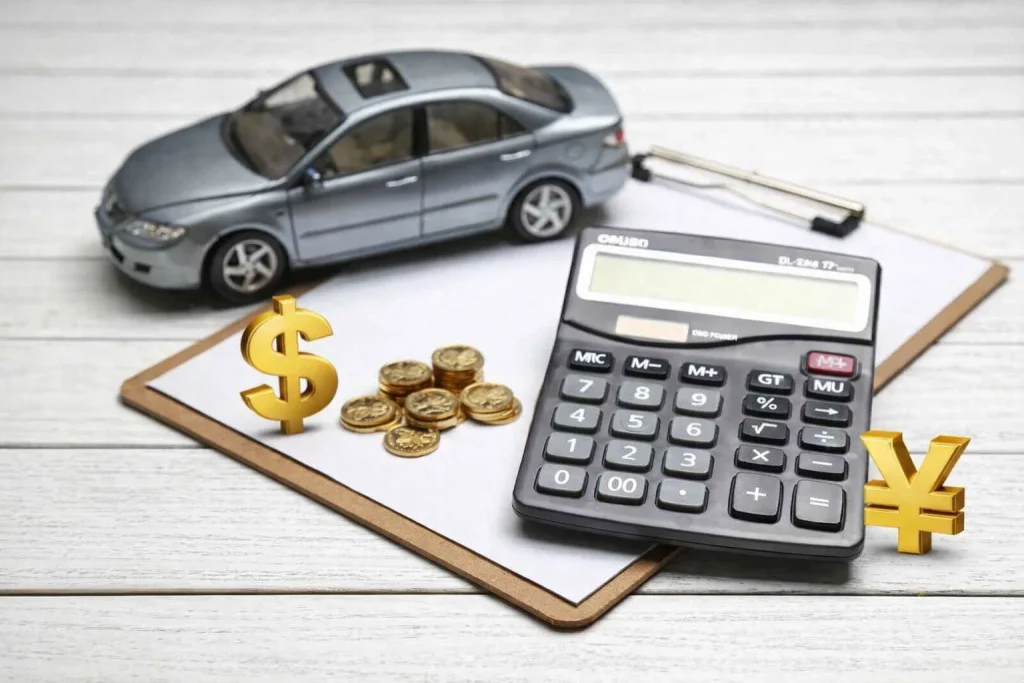
2. Always Calculate the Full Cost of Importing Before You Bid
One of the biggest mistakes new buyers make is focusing only on the auction price.
The auction price is only one part of the equation.
Your total cost includes:
- Hammer price
- Auction house fees
- Export documentation fees
- Inland transport in Japan
- Shipping charges
- Marine insurance
- Import duty
- Excise duty
- VAT
- Port handling charges
If you win a car at what looks like a bargain but fail to calculate duty correctly, you may end up exceeding your budget. This is why serious importers calculate landed cost before bidding, not after winning. Smart negotiation starts with knowing your financial limits clearly.
3. Auction Grade Sheets Are Your Negotiation Tool
Japan auctions provide detailed grade sheets. These documents are extremely important.
They show:
- Accident history
- Repaired panels
- Paint marks
- Rust areas
- Interior condition
- Mechanical notes
Each grade affects pricing.
- Grade 4.5 and above: Very clean, low wear
- Grade 4: Good condition, minor wear
- Grade 3.5: Visible wear, possibly light repairs
- Grade R: Accident-repaired
Small cosmetic markings can lower the final selling price significantly. Experienced buyers do not fear minor scratches. They use them strategically to secure better prices. However, structural damage or accident history must be evaluated carefully. Understanding how to interpret these sheets protects your imports from costly mistakes.
4. Avoid Emotional Bidding Wars
At Japan auctions, certain cars attract aggressive competition:
- Low mileage SUVs
- Popular hybrid models
- New-shape models
- High-demand colors (white, black, pearl)
When multiple buyers compete, prices rise quickly — sometimes beyond logical market value. Professional importers set a strict maximum bid before the auction begins.
If bidding exceeds that limit, they walk away, there are thousands of cars listed weekly in Japan.
Missing one vehicle does not mean losing your dream car, discipline protects your money.
5. Watch Exchange Rates Carefully
Currency fluctuations directly impact the cost of imports from Japan. If the Japanese Yen weakens against the Kenyan Shilling or US Dollar, your purchase becomes cheaper.
A small exchange shift can save a significant amount across:
- Auction conversion price
- Shipping cost
- Export fees
Buying at the right currency moment can reduce your overall landed cost considerably.
Timing matters more than most buyers realize.
6. Shipping Strategy Impacts Your Total Cost
After securing your car at auction, the next important factor is shipping.
There are two main shipping methods:
Roll-On Roll-Off (RoRo):
- More affordable
- Faster processing
- Suitable for most imports
Container shipping:
- Higher cost
- Extra protection
- Suitable for luxury or high-value vehicles
Choosing the wrong shipping option can increase expenses unnecessarily.
Efficient shipping coordination ensures your dream car arrives safely while keeping costs under control.
7. Work With Professionals Who Understand the System
Access to Imports from Japan auction platforms alone does not guarantee success.
Successful imports require:
- Market data analysis
- Strict bidding discipline
- Accurate duty calculation
- Smart shipping coordination
- Understanding Kenyan import regulations
Without experience, buyers risk:
- Overpaying
- Buying lower-grade vehicles
- Underestimating duty
- Facing unexpected shipping delays
At CarsKenya, our Japan sourcing process focuses on:
- Monitoring daily auctions
- Setting realistic bid ceilings
- Calculating full landed cost before bidding
- Coordinating secure shipping
- Advising on duty optimization
Our goal is simple: help you secure the best cars from Japan auctions without financial surprises.