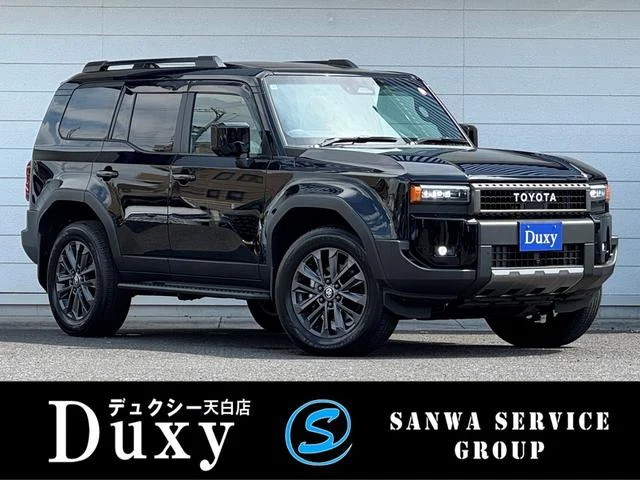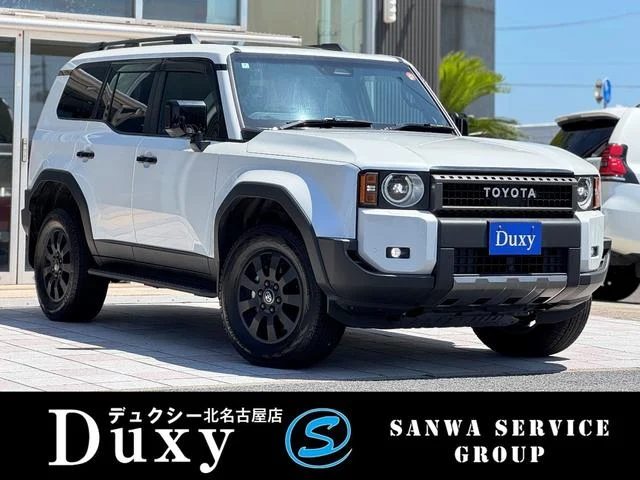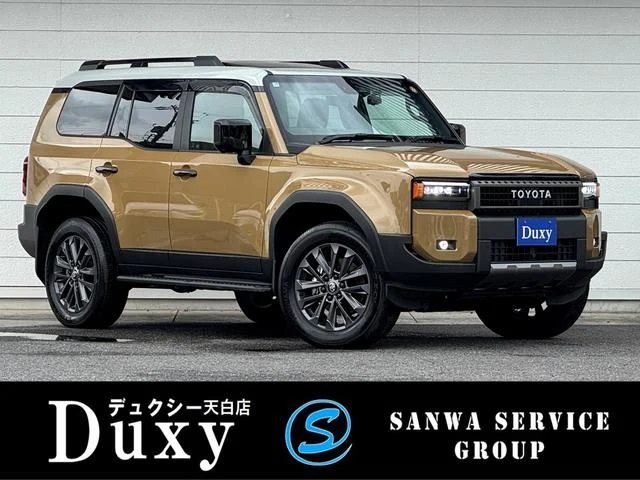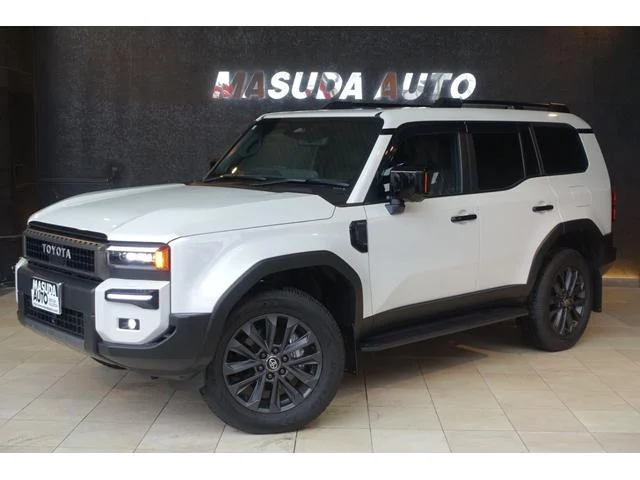

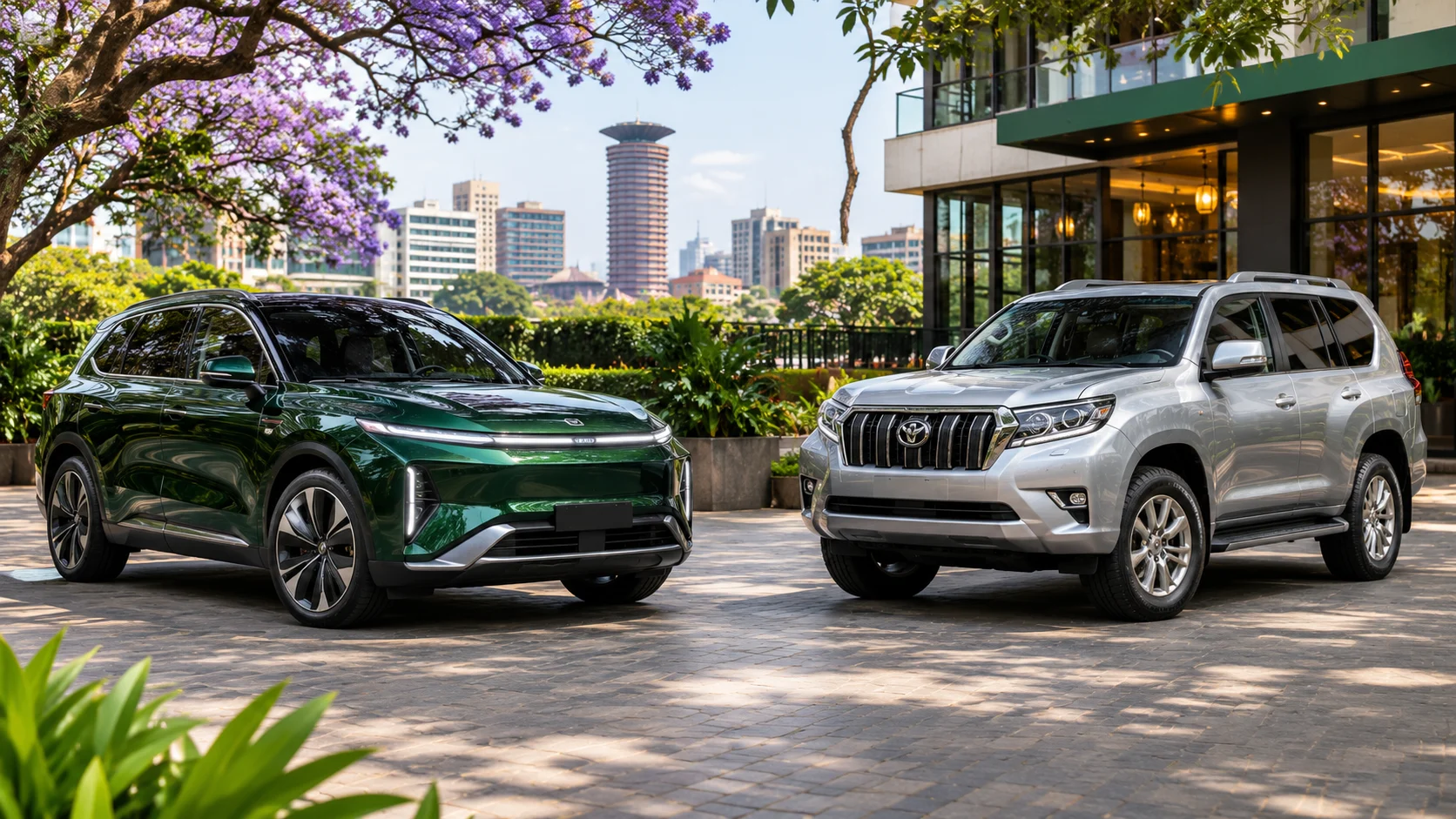
The cheapest car to buy may cost more to own
One car promises fewer fuel stops. Another offers quiet electric driving. A third comes with a lower purchase price and familiar maintenance.
Which should you choose?
For a Kenyan buyer, the answer depends on more than engine type. Your daily distance, charging access, vehicle condition, financing terms and ownership period all influence the result.
Before importing a petrol car, hybrid or electric vehicle, compare what each option will require after it reaches your parking space.
First, understand what you are buying
| Vehicle type | How it works | Main ownership question |
|---|---|---|
| Petrol | Uses a petrol engine | What will fuel and maintenance cost on your routes? |
| Conventional hybrid | Combines an engine and electric motor; normally needs no plug-in charging | What is the condition of both the engine and hybrid system? |
| Plug-in hybrid | Combines an engine with a battery that can be charged externally | Will you charge regularly enough to benefit? |
| Battery electric vehicle | Runs entirely on electricity | Can you charge reliably at home, work and along your routes? |
A conventional hybrid and a plug-in hybrid are different ownership propositions. Confirm the exact powertrain before comparing prices.
What do EV and hybrid import taxes mean for your budget?
KRA’s published motor-vehicle import guidance lists 10% excise duty for vehicles propelled only by an electric motor and 25% for the hybrid categories shown. These are excise rates, rather than the complete tax burden or landed cost. Classification and applicable rules still need checking for the specific vehicle. See KRA’s motor-vehicle import guidance. KRA
Reports also describe a government announcement of an import-duty waiver for the first 100,000 EV imports. An announcement alone does not establish that your particular vehicle will clear duty-free: confirm the operative rules, eligibility and supporting documentation before purchasing. Read the reported announcement. citizen.digital
The useful comparison is a current, itemised landed-cost quotation for each candidate vehicle.
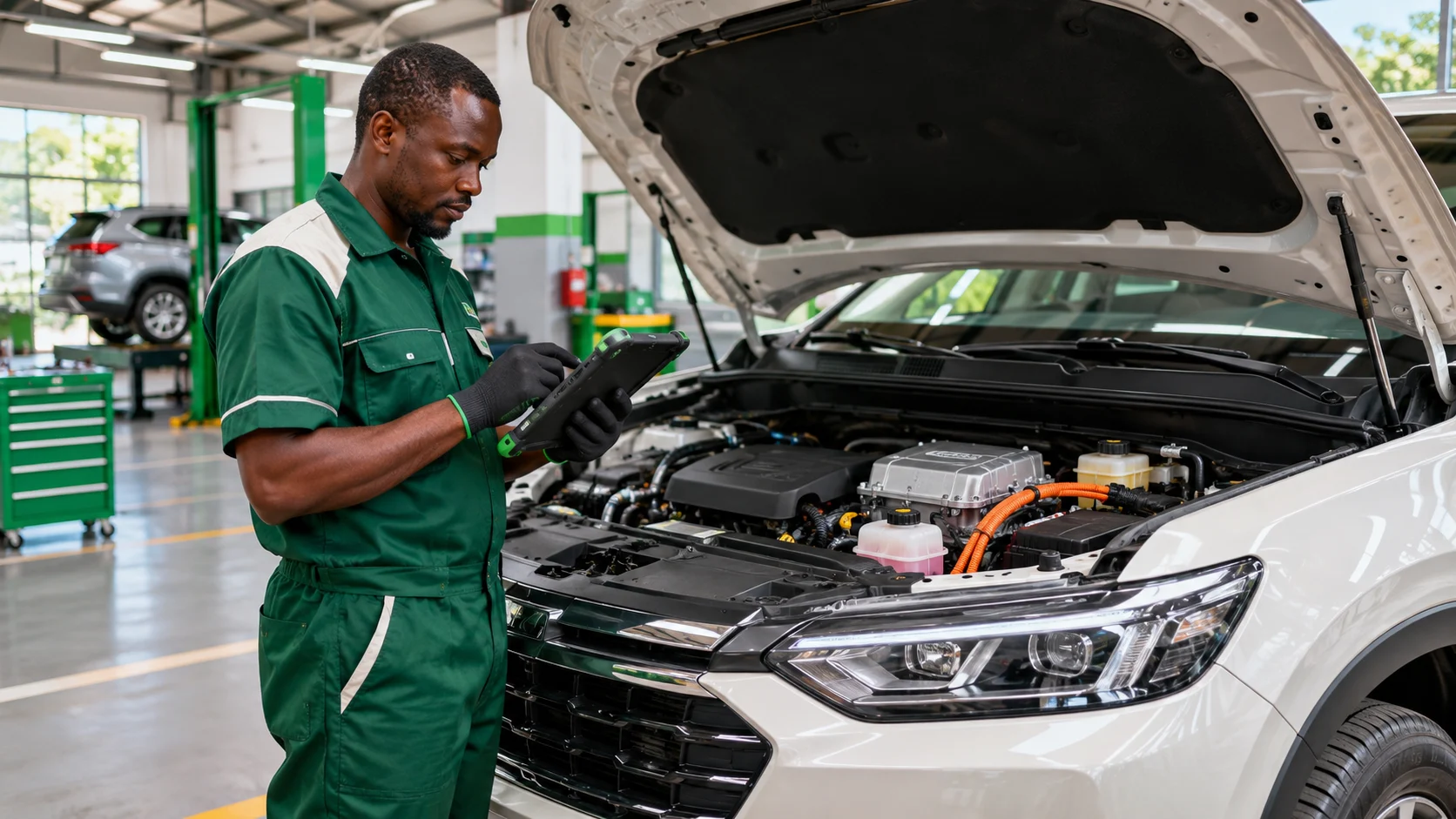
Battery condition deserves its own inspection
A clean interior and attractive mileage do not tell you everything about an electrified vehicle.
For a used hybrid or EV, request a qualified inspection covering:
- Available battery-health diagnostics.
- Warning lights and recorded system faults.
- Accident, flood and repair history.
- Battery cooling and related components.
- Applicable warranty coverage.
- Local diagnostic, repair and replacement options.
For an EV, also confirm charging compatibility and assess whether its usable range suits your routes. For a hybrid, inspect the petrol engine and transmission alongside the electrical system.
Treat battery information as part of the purchase decision, rather than something to investigate after delivery.
Charging access can change the answer
Picture a normal week.
Where does your vehicle park overnight? Can a suitable charger be installed there? What would installation cost? How often do you travel beyond your usual commute?
An EV can fit well when you have dependable charging and routes that suit its usable range. If charging would require frequent detours, include that time and inconvenience in your comparison.
A conventional hybrid may suit someone seeking an electrified vehicle without arranging plug-in charging. A petrol model may remain a practical candidate where its purchase price, condition and local support fit the buyer’s needs.
Compare ownership costs using your own numbers
Use the same ownership period and distance for every vehicle.
| Cost | What to request or calculate |
|---|---|
| Purchase and import | Complete landed and registered price |
| Financing | Fees, total interest and repayment schedule |
| Energy | Fuel or electricity cost for your expected kilometres |
| Maintenance | Service schedule and likely wear items |
| Insurance | A quotation for the exact model |
| Battery exposure | Inspection findings, warranty and repair options |
| Resale | Conservative scenarios based on comparable local vehicles |
A useful planning formula is:
Ownership cost = purchase and import costs + finance costs + running costs − eventual resale proceeds.
This helps reveal whether a higher purchase price is justified by savings over the period you expect to keep the vehicle.
Check financing before committing
Do not assume every hybrid or EV qualifies for the same financing percentage or repayment period.
Ask the lender about the exact model, age, valuation, insurance and any inspection requirements. If you are considering finance through CarsKenya’s partnership, start with the import financing overview.
Frequently asked questions
Is a hybrid always cheaper than a petrol car?
No. The result depends on purchase price, condition, driving pattern, fuel consumption and maintenance.
Does an EV tax incentive guarantee a lower landed price?
No. The purchase price, freight, applicable taxes and other charges must all be included.
What should I compare first?
Start with your routes, charging access and total budget, then compare specific vehicles.
Choose the car that fits your life
A successful import should work for your weekday commute, family trips and monthly budget.
Browse CarsKenya’s available vehicles or request a personalised comparison based on your preferred model and driving needs.
Call or WhatsApp: 0795 222 111