Advantages Of Hybrid Cars
October 6, 2026
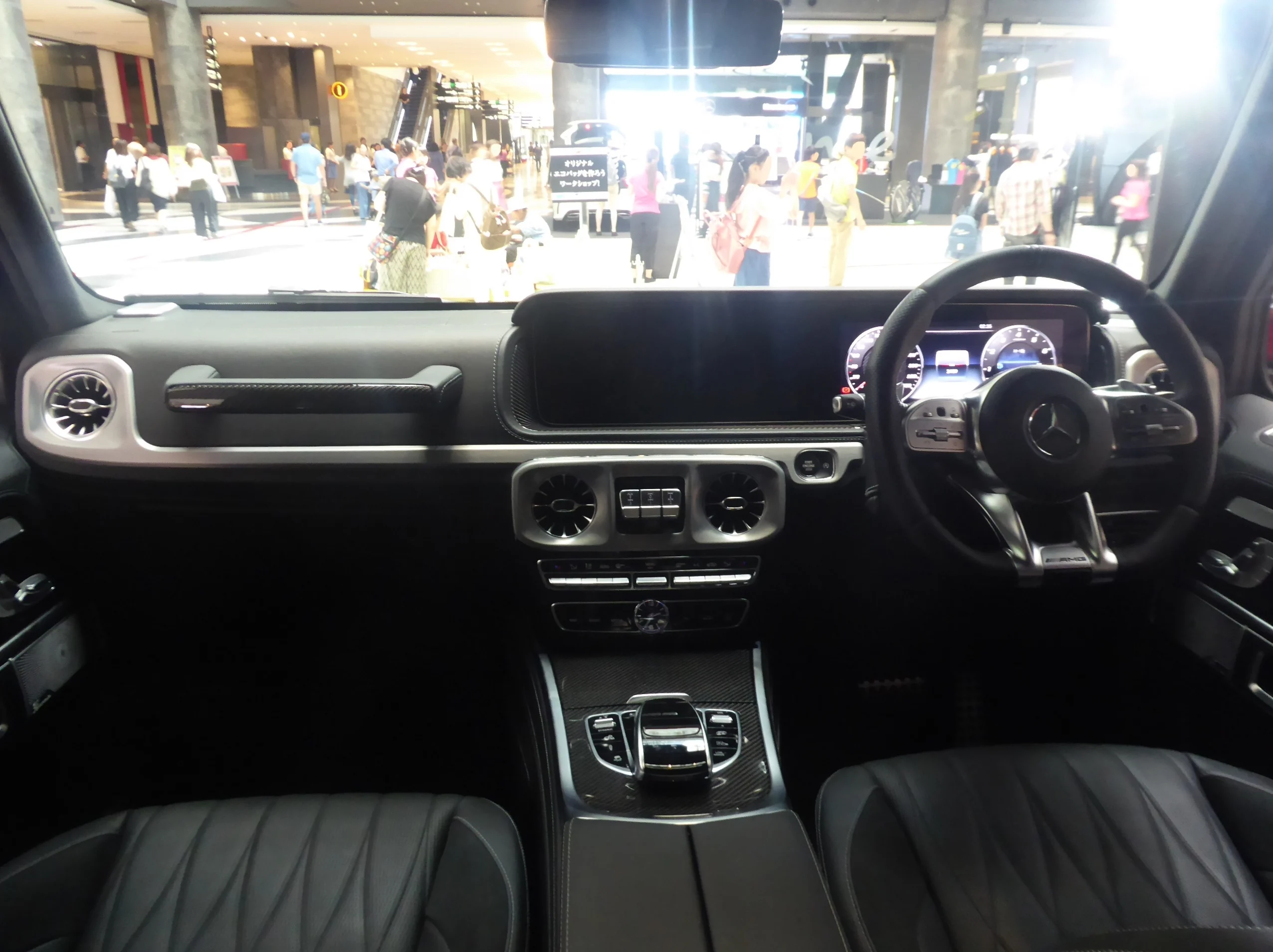
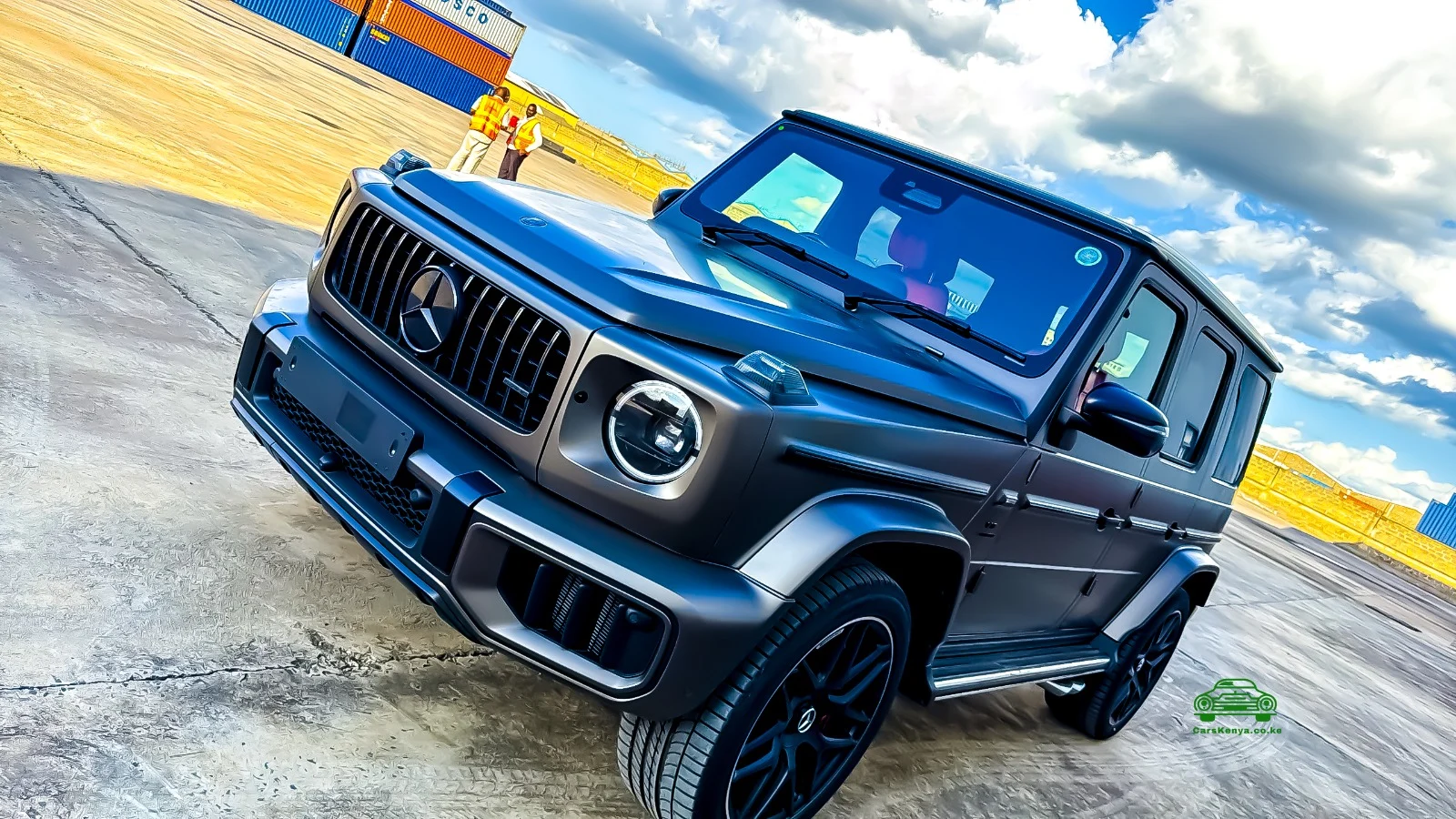
The allure of the G-Wagon in Kenya is a unique blend of aspiration and practicality.
It is the undisputed king of luxury SUVs, a vehicle that signifies you’ve truly arrived.
Its presence is felt everywhere, from high-end hotels in Westlands to exclusive golf clubs in Karen.
This status symbol is backed by genuine, formidable off-road heritage, making it one of the few vehicles that is as comfortable navigating a flooded city road as it is tackling a challenging safari track.
This dual-purpose appeal creates a fervent demand within a niche market.
The local supply is almost exclusively fed by imports, primarily from the UK, Japan, and South Africa.
This import-driven market means that the g wagon price in kenya is heavily influenced by factors beyond the initial purchase price, including fluctuating exchange rates, shipping costs, and, most significantly, a hefty tax bill.
Understanding this landscape is the first step in appreciating the true cost of ownership.
Let’s address the elephant in the room: the total cost.
The sticker price of a G-Wagon in a foreign market like the UK or Japan is merely the starting point of your financial journey.
To calculate the final landed cost in Kenya, you must account for a series of substantial taxes and fees levied by the Kenya Revenue Authority (KRA).
The primary costs include Import Duty, currently at 25% of the vehicle’s Customs Value (CIF); Excise Duty, which varies from 25% to 35% depending on the engine size (a G63’s large engine falls in the highest bracket); and Value Added Tax (VAT) at 16%, applied on top of the sum of the CIF, Import Duty, and Excise Duty.
On top of these, you have an Import Declaration Fee (IDF) of 3.5% and a Railway Development Levy (RDL) of 2.0%.
When you add clearing agent fees, port charges, and registration costs, the final g wagon price in kenya can often be double the vehicle’s original purchase price.
It’s a sobering reality that requires careful financial planning.

Navigating the regulatory maze set by the Kenyan government is perhaps the most critical part of the import process.
The single most important rule is the age limit: Kenya only allows the importation of vehicles that are less than eight years old from the year of first registration.
This means that in 2025, you can only import a G-Wagon manufactured in 2018 or later.
Any vehicle older than this will be rejected at the port, a mistake that could cost you a fortune.
Furthermore, all vehicles imported into Kenya must be right-hand drive (RHD), which is standard for key source markets like the UK, Japan, and South Africa.
Before the vehicle can even be shipped, it must undergo a mandatory pre-shipment inspection for roadworthiness by an approved body, such as the Japan Export Vehicle Inspection Center (JEVIC).
You will also need your KRA PIN certificate to be active on the iTax portal to process the necessary import documentation.
Strict adherence to these rules is non-negotiable.
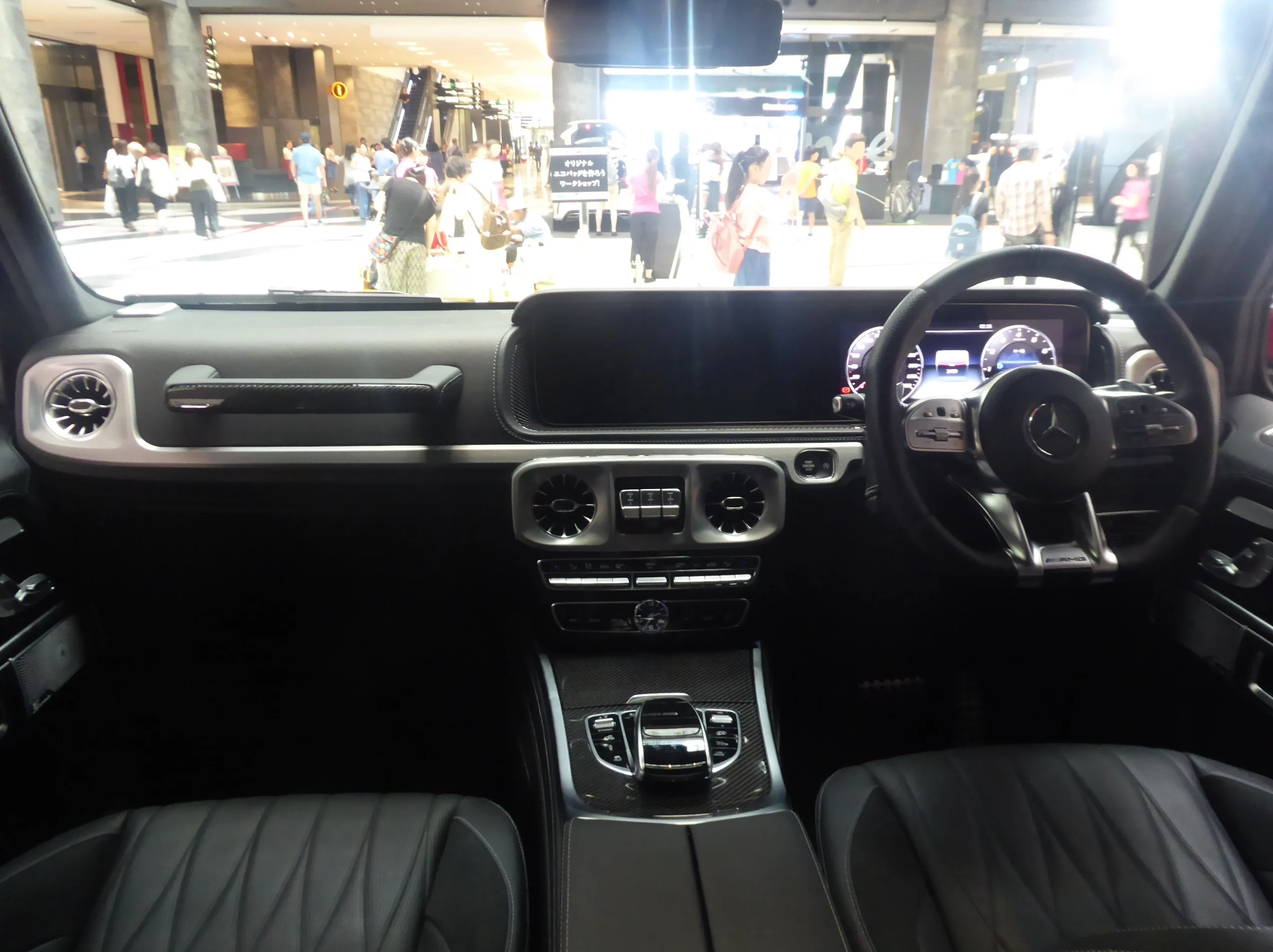
While the fire-breathing Mercedes-AMG G63 with its biturbo V8 is the ultimate dream for many, it’s wise to consider which G-Wagon model truly suits your needs and the realities of Kenyan driving.
The G63 offers exhilarating performance, but its powerful engine places it in the highest excise duty bracket, significantly inflating the final g wagon price in kenya.
Its fuel consumption can also be punishing with city traffic and high fuel prices.
A more pragmatic, yet still incredibly luxurious and capable, alternative is one of the diesel models, like the G350d or G400d.
These variants provide immense torque, which is fantastic for both city driving and off-road adventures, while offering far better fuel economy.
Their slightly smaller engine sizes also result in a lower excise duty, making them a more cost-effective option to import.
Ultimately, the choice depends on your priorities: are you seeking raw, unadulterated power and status, or a more balanced blend of luxury, capability, and everyday usability?

Once you’ve sourced your G-Wagon and ensured it meets all regulatory requirements, the logistical journey begins.
The process starts with the pre-shipment inspection and then moves to shipping.
You can choose between Roll-on/Roll-off (Ro-Ro), where the vehicle is driven onto a specialized vessel, or container shipping, which offers more protection at a higher cost.
Upon the vessel’s arrival at the Port of Mombasa, the customs clearance process kicks into high gear.
This is where the complexity truly sets in.
Your appointed clearing agent will lodge all necessary documents, including the Bill of Lading, inspection certificate, and import declaration forms, with KRA.
Customs officials will then conduct a verification process to confirm the vehicle’s details and determine its Current Retail Selling Price (CRSP), which forms the basis for tax calculation.
This valuation can sometimes be a point of contention, highlighting the need for an experienced agent who can navigate the system effectively.
This intricate process is where many first-time importers face delays and unexpected costs.
The final g wagon price in kenya is a dynamic figure influenced by a host of variables.
The primary drivers are, of course, the vehicle’s purchase price, its year of manufacture (which dictates its eligibility and depreciation), and its engine size (which determines the excise duty).
However, several other factors can significantly impact the cost.
The vehicle’s mileage and overall condition play a huge role in its initial valuation.
A low-mileage, pristine example will command a higher price and, consequently, a higher tax liability.
Furthermore, specific trim levels and optional extras, such as the AMG Line package, exclusive Nappa leather interiors, or advanced driver-assistance systems, will increase the vehicle’s value in the eyes of customs valuators.
Even the prevailing currency exchange rate between the Kenyan Shilling and the currency of the source country at the time of purchase and tax payment can alter the final cost by a considerable margin.
Navigating these variables can be tricky.
For a precise and transparent quote on the g wagon price in kenya for your dream spec, contact the experts at Cars Kenya today.
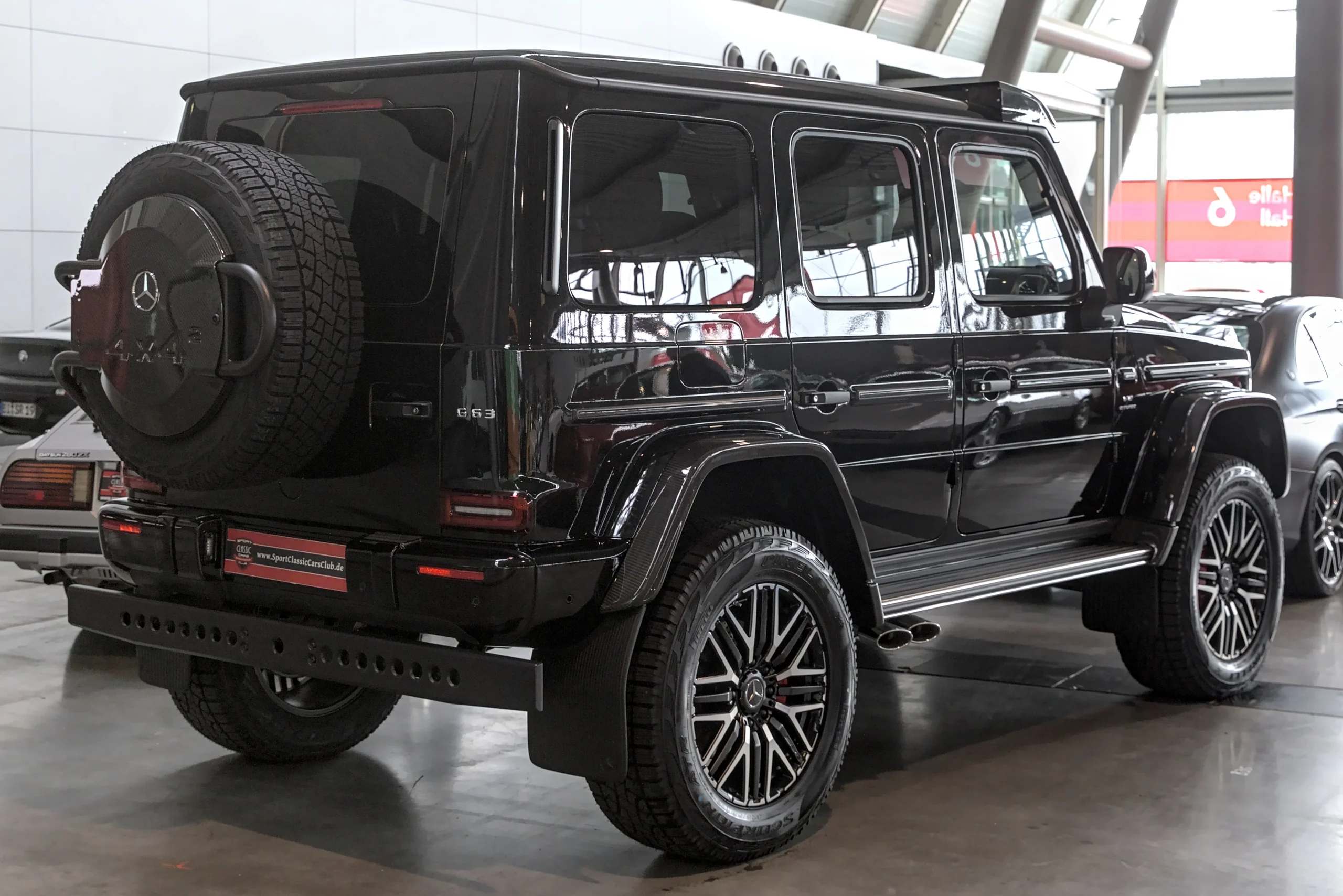
Given the labyrinth of regulations, the substantial financial investment, and the potential for costly errors, attempting to import a G-Wagon on your own can be a high-stakes gamble.
This is where a professional car import service becomes an invaluable partner.
Think of it like building a house; you could source all the materials and manage the contractors yourself, but hiring an experienced project manager ensures it’s done correctly, on time, and within budget.
A reputable importer handles every aspect of the process for you.
They leverage their network to source high-quality, genuine vehicles, manage the complex documentation, and navigate the intricate customs clearance process at the port.
They provide a clear, all-inclusive quote, protecting you from hidden fees and the notorious pitfalls that plague inexperienced importers.
The peace of mind, time saved, and assurance of a smooth, compliant transaction are well worth the service fee.
Don’t let the daunting process stand between you and your G-Wagon.
The team at Cars Kenya offers a seamless, end-to-end importation service, handling everything from sourcing to delivery.
Let us make your dream a reality.
So, we circle back to the ultimate question: is importing a G-Wagon to Kenya worth the considerable expense and effort?
The answer is a resounding yes, but with a caveat.
It is worth it for the discerning individual who understands exactly what they are buying into.
The G-Wagon is not just a mode of transport; it’s an experience, a lifestyle accessory, and a long-term asset that holds its value exceptionally well in the Kenyan market.
The journey to ownership is paved with high taxes and complex regulations, but the reward is a vehicle with unmatched presence, heritage, and capability.
It’s for those who appreciate its unique blend of military-grade toughness and opulent luxury.
If you have the budget and the desire for a vehicle that truly stands apart from the crowd, then embarking on the importation journey is a challenge that yields an incredible prize.
With the right professional guidance, the process becomes manageable, transforming a daunting task into the exciting acquisition of an icon.

The entire process typically takes between 45 to 75 days.This timeline includes sourcing the vehicle (1-2 weeks), shipping from the UK or Japan (30-45 days), and customs clearance and registration at the Port of Mombasa (7-14 days).
No.Kenyan law, enforced by the Kenya Bureau of Standards (KEBS), strictly prohibits the importation of vehicles older than eight years from their year of first registration.
For 2025, this means only models from 2018 and newer are eligible.
Using an experienced import agent like Cars Kenya simplifies a highly complex process.They handle vehicle sourcing, pre-shipment inspection, all paperwork, shipping logistics, and customs clearance, ensuring full compliance and protecting you from potential scams and costly errors.
It provides peace of mind and a guaranteed landed cost.

